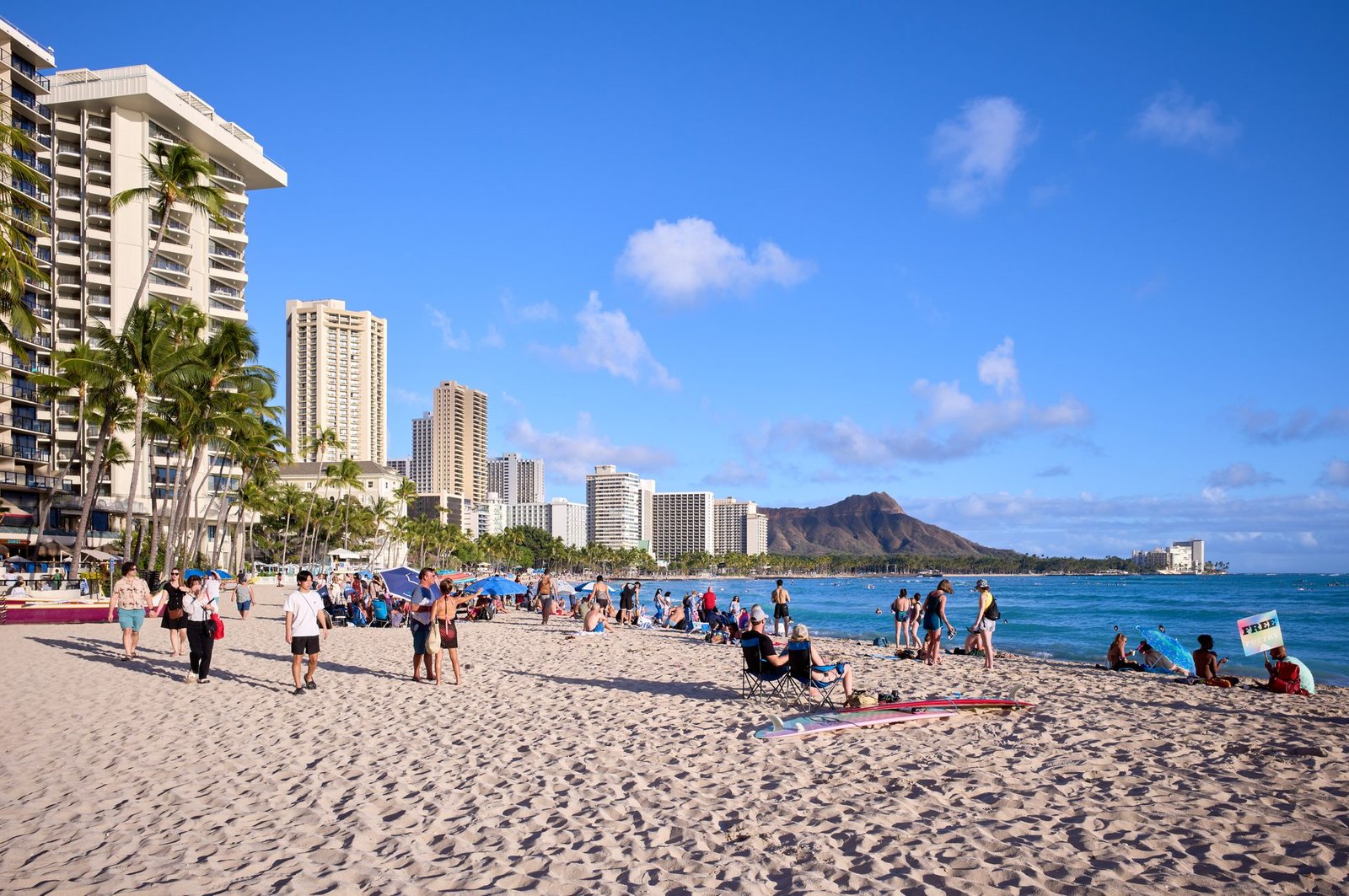
25 Best Things to Do in Honolulu, Hawaii
Honolulu is the rare city break that doesn’t make you choose between urban and wild. You can tour the only royal palace on U.S. soil in the morning, hike a volcanic crater after lunch, and be floating over a coral reef by mid-afternoon — all within about 15 miles. The city sits on O’ahu’s south shore, and most first-time visitors base themselves in Waikiki, which puts the headline attractions within easy reach.
This guide covers the essential things to do in Honolulu, Hawaii — the major landmarks, the hikes worth the sweat, the beaches for every travel style, and the day trips across O’ahu that are worth the drive. Every entry includes what you’ll actually do there, what it costs where verified, and the reservation rules that trip up unprepared visitors. Entries outside Honolulu proper are clearly marked as O’ahu day trips.
Honolulu at a Glance: Key Facts Before You Go
- Best time to visit: April–May and September–October hit the sweet spot — warm water, thinner crowds, lower prices. December–March brings whale season and the North Shore’s giant surf (spectacular to watch, dangerous to swim).
- How many days: Plan on at least 3 days — that’s what the sample itinerary below is built around (Day 1: icons, Day 2: history, Day 3: East Oʻahu).
- Getting around: Waikiki and downtown are walkable; TheBus covers the island cheaply but slowly. Rent a car for a day or two for the North Shore and windward-coast day trips.
- Flying in: Daniel K. Inouye International Airport (HNL) is Honolulu’s main airport.
- Time zone: Hawaii runs on HST (UTC−10) year-round and doesn’t observe daylight saving — so the time gap to the mainland shifts by an hour between seasons.
- Book before you fly: Diamond Head (up to 30 days ahead), Hanauma Bay (2 days ahead at 7:00 AM HST), and the USS Arizona Memorial program (via Recreation.gov) routinely sell out — lock these in before finalizing your itinerary.
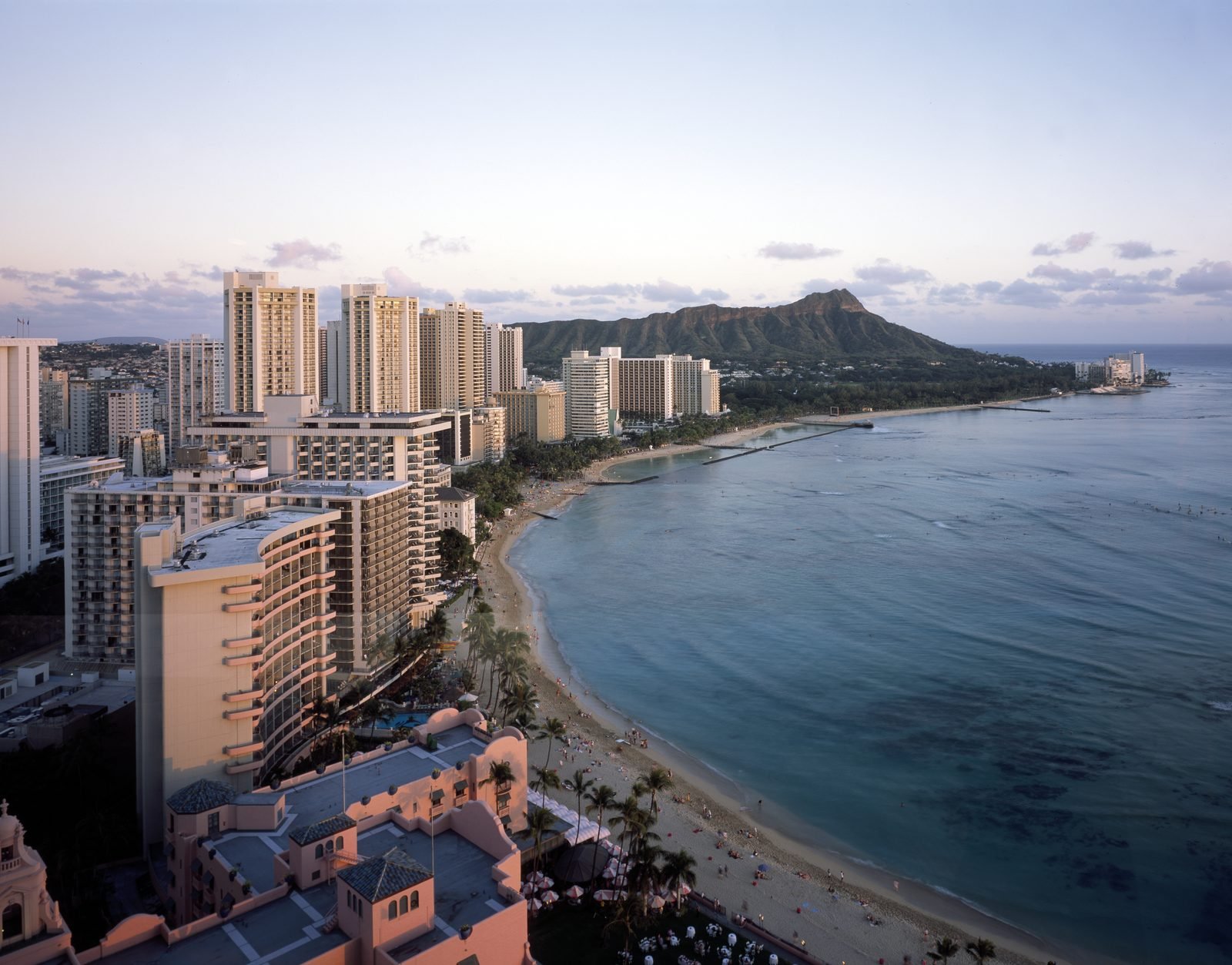
Our Top 5 Picks in Honolulu
If your time is short, these are the five experiences our editors would never skip — each is covered in full below.
- Hike Diamond Head State Monument — the city’s signature sunrise hike: a short, steep climb to a 360-degree payoff over Waikiki (see #1 below).
- Spend a Day at Waikiki Beach — Hawaii’s most famous beach: calm water, beginner-friendly surf, and free Friday-night fireworks year-round (see #2 below).
- Visit Pearl Harbor National Memorial — the most historically significant stop in the islands, centered on the USS Arizona Memorial (see #3 below).
- Snorkel Hanauma Bay Nature Preserve — a protected marine bay for coral-reef snorkeling; reservations open 2 days ahead and sell out within minutes (see #4 below).
- Tour ʻIolani Palace — the only royal palace on U.S. soil, and the essential stop for understanding Hawaiian history (see #5 below).
For more trip ideas across the country, browse our USA destination guides.
Top 25 Things to Do in Honolulu
1. Hike Diamond Head State Monument
Overview: The tuff cone looming over Waikiki is Honolulu’s most recognizable landmark, and the short, steep hike to its summit is the city’s signature morning workout. The 0.8-mile trail climbs about 560 feet through a 225-foot tunnel and old military bunkers to a 360-degree payoff: Waikiki’s high-rises, the Pacific, and the island’s leeward coast.
What to Do: Hike to the summit viewpoint, explore the Fire Control Station bunker at the top, and photograph the crater from inside on the way up.
Why It Stands Out: Few city hikes anywhere deliver this much view per minute of effort, and the tunnel-and-bunker sections give it more character than a standard viewpoint walk.
Visitor Information: Open daily 6:00 AM–6:00 PM with timed entry. All non-resident visitors must book in advance through Hawaiʻi’s state park reservation system — no reservation, no entry. At time of research: $5 per person entry (kids 3 and under free), $10 per vehicle parking. Hawaiʻi residents enter free with valid state ID. Book up to 30 days ahead; sunrise slots go first.
Best Time to Visit: First entry slot of the day. The trail is exposed, and by 10 AM it’s hot and crowded.
Highlights:
– Summit views over Waikiki, downtown Honolulu, and the ocean
– Historic 1908-era military tunnel and observation bunkers
– A genuine workout — 0.8 miles, steep in sections
Pro Tips:
– Book the earliest slot available; the light is better and the crater floor is quieter.
– Bring water — there is none on the trail, and the climb is steeper than it looks.
– Skip the car if you’re in Waikiki: the Waikiki Trolley Blue Line stops at the crater, saving the $10 parking fee.
Best For: Active travelers, first-timers, sunrise seekers. Vibe: Energetic, scenic, historic.
2. Spend a Day at Waikiki Beach
Overview: The two-mile stretch of sand fronting Honolulu’s hotel row is the most famous beach in Hawaii — calm, protected water, gentle longboard waves, and a backdrop of Diamond Head. It’s touristy by design, and that’s exactly its strength: everything a first-timer needs is within walking distance.
What to Do: Swim and bodyboard in the calm sections, take a group surf lesson (the gentle break at Canoes is made for beginners), walk the beachfront path to Kapiʻolani Park, and stay for the Friday fireworks from the Hilton Hawaiian Village.
Why It Stands Out: No other Honolulu beach combines swimmable water, surf schools, outrigger canoe rides, and a full dining scene steps from the sand.
Visitor Information: Free, always open. Duke Kahanamoku Beach and Kuhio Beach are the calmer, less chaotic sections. Beach gear rentals line Kalākaua Avenue.
Best Time to Visit: Morning for the calmest water; late afternoon for golden light with Diamond Head in frame.
Highlights:
– Beginner-friendly surf and the birthplace of modern surfing culture (Duke Kahanamoku statue at Kuhio Beach)
– Free Friday night fireworks — a year-round weekly show from Hilton Hawaiian Village (~7:45 PM in winter / ~8:00 PM in summer, about 10 minutes), best watched from Waikiki Beach
– Easy access to the Waikiki Beach Walk and Royal Hawaiian Center
Pro Tips:
– The sand is narrowest near the Royal Hawaiian; walk 10 minutes east or west for breathing room.
– Reef-safe sunscreen is required by Hawaiʻi law — buy mineral sunscreen before you go.
Best For: First-timers, families, beginner surfers. Vibe: Lively, classic, social.
3. Visit Pearl Harbor National Memorial
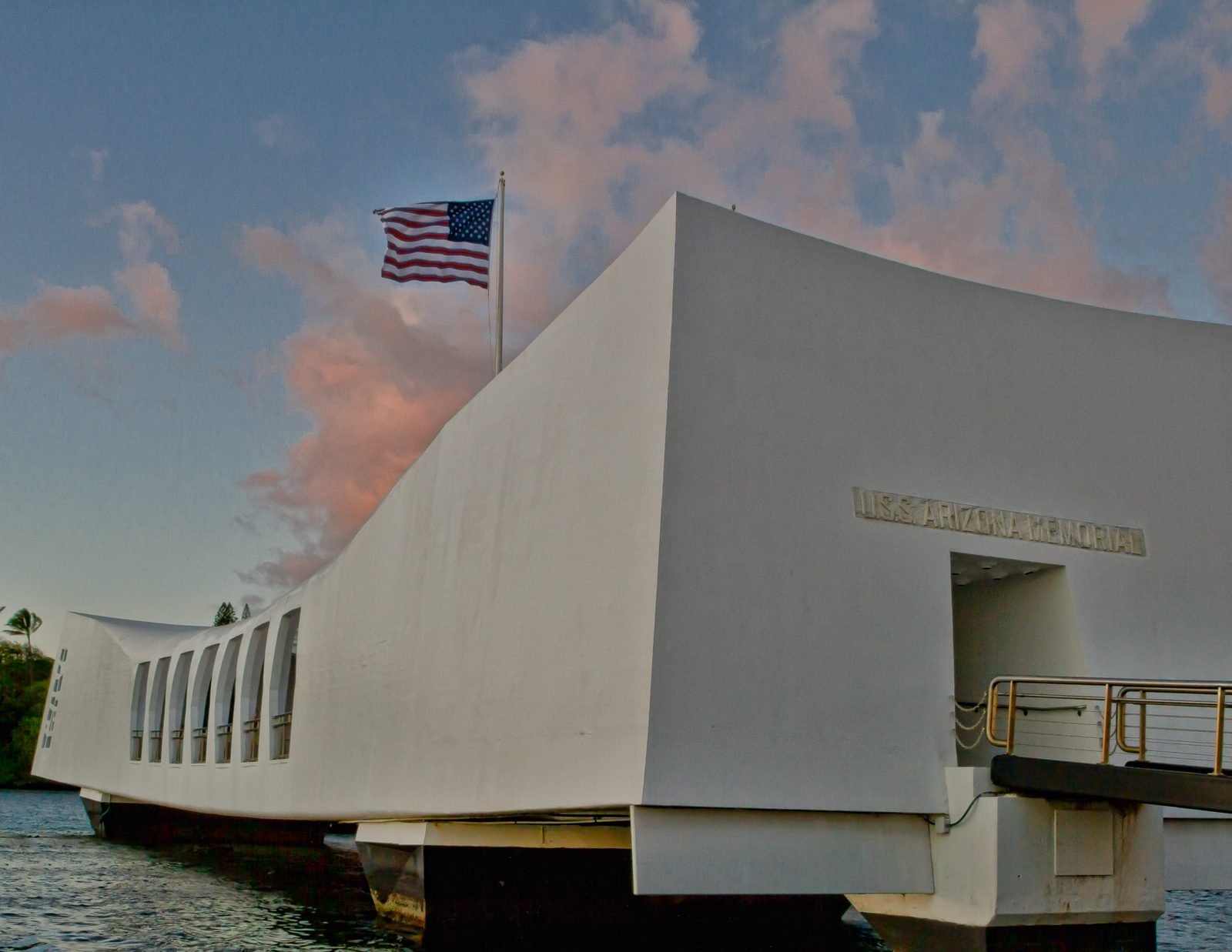
Overview: The harbor west of downtown Honolulu is where the U.S. entered World War II, and the National Park Service site here is the most historically significant stop in the islands. The centerpiece is the USS Arizona Memorial, a white structure straddling the sunken battleship where 1,102 of the 1,177 sailors and Marines killed on December 7, 1941 rest.
What to Do: Take the Navy shuttle boat to the memorial, walk the Visitor Center’s two exhibit galleries (“Road to War” and “Attack”), and watch the 23-minute documentary film before boarding.
Why It Stands Out: It’s a genuinely moving experience — the oil still seeping from the wreck, known as the “tears of the Arizona,” makes the history feel present rather than distant.
Visitor Information: The Visitor Center and the USS Arizona Memorial program are free; reserve a program time in advance through Recreation.gov ($1 booking fee). Programs run roughly 8 AM–4 PM; the site is open 7 AM–5 PM daily. Parking is $7 per day. Bags are restricted — leave them at the hotel or use the on-site bag storage.
Best Time to Visit: Early morning programs are quietest and least hot; the memorial is an outdoor structure.
Highlights:
– The shrine room with the names of the fallen etched in marble
– Excellent, unsentimental museum exhibits — allow 45 minutes beyond the boat program
– Free admission to one of America’s most important historic sites
Pro Tips:
– Book the earliest program slot you can; same-day standby is unreliable in high season.
– This is a solemn site — quiet voices on the memorial, no food or hats on the structure.
Best For: History lovers, families with older kids, anyone visiting O’ahu. Vibe: Solemn, powerful, educational.
4. Snorkel Hanauma Bay Nature Preserve
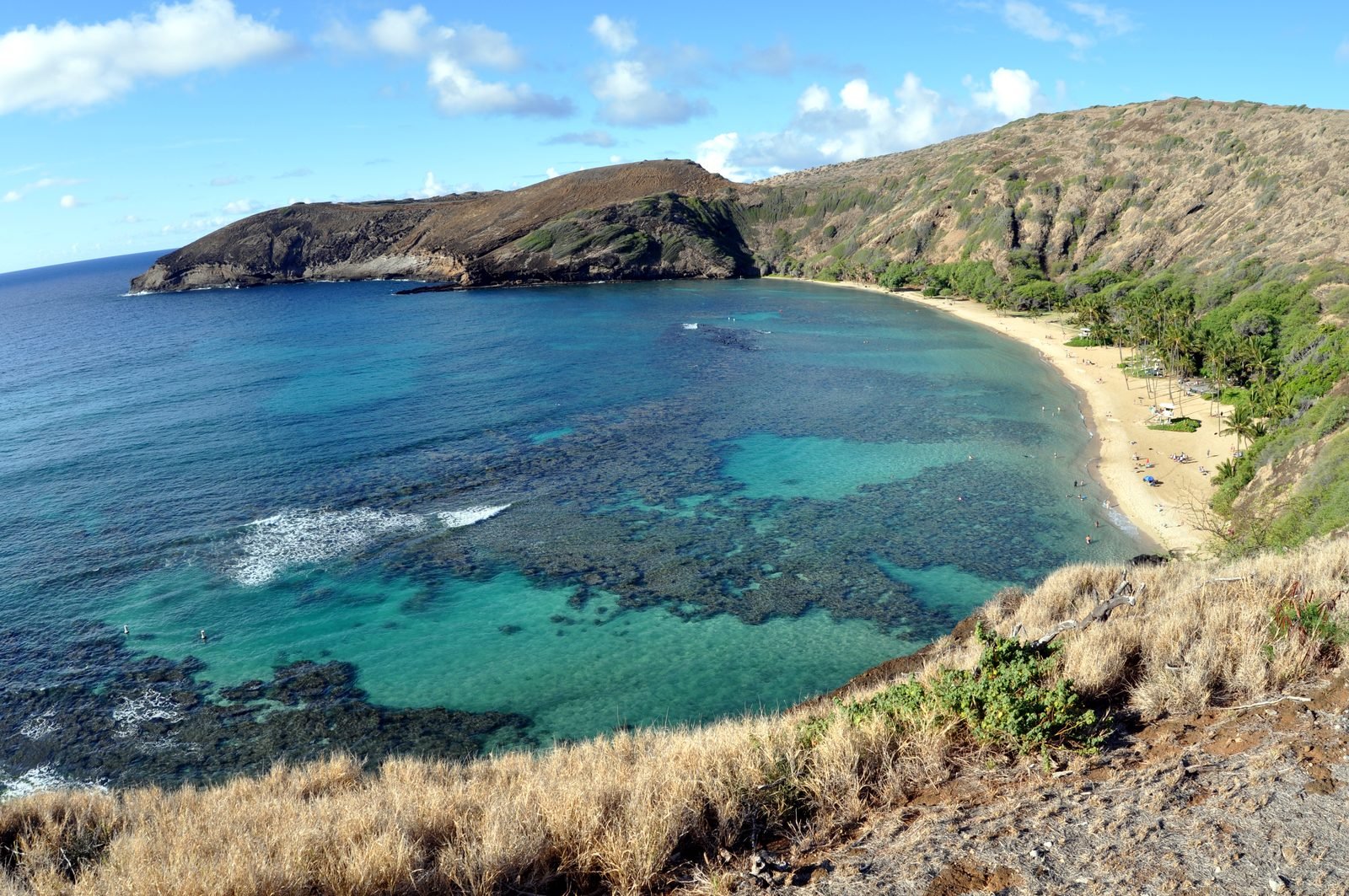
Overview: A flooded volcanic crater turned marine sanctuary, Hanauma Bay is the best-organized snorkeling on O’ahu: calm, shallow water, dense reef fish, and lifeguards on duty. It’s about 10 miles east of Waikiki in the Hawaiʻi Kai district.
What to Do: Snorkel the inner reef (calm, waist-deep in places), watch the mandatory conservation video on your first visit, and look for green sea turtles along the reef edge.
Why It Stands Out: The fish density is exceptional for how easy the entry is — parrotfish, tangs, and wrasses within minutes of the sand.
Visitor Information: Open Wednesday–Sunday, 6:45 AM–4:00 PM (last entry ~1:30 PM); closed Monday and Tuesday, plus Christmas and New Year’s Day. Non-residents: $25 per person ages 13+, kids 12 and under free, Hawaiʻi residents and active military free with ID. Reservations are essential — booking opens 2 days ahead at 7:00 AM HST through the City and County of Honolulu system, and slots sell out within minutes. Parking is $3 per vehicle and fills early.
Best Time to Visit: First entry slot — the water is clearest before the crowds stir up the sand.
Highlights:
– Some of the easiest, fish-richest snorkeling in Hawaiʻi
– Lifeguarded beach with restrooms, showers, and gear rentals
– Strong conservation ethos — reef-safe sunscreen only, no touching coral
Pro Tips:
– Set an alarm for the 7:00 AM booking window two days out; this is the single hardest reservation in Honolulu.
– Arrive 20–30 minutes before your slot; no late entry is allowed.
– If reservations are gone, limited walk-in tickets are released at opening — but treat that as a fallback, not a plan.
Best For: Snorkelers, families, first-time reef visitors. Vibe: Organized, stunning, busy.
5. Tour ʻIolani Palace
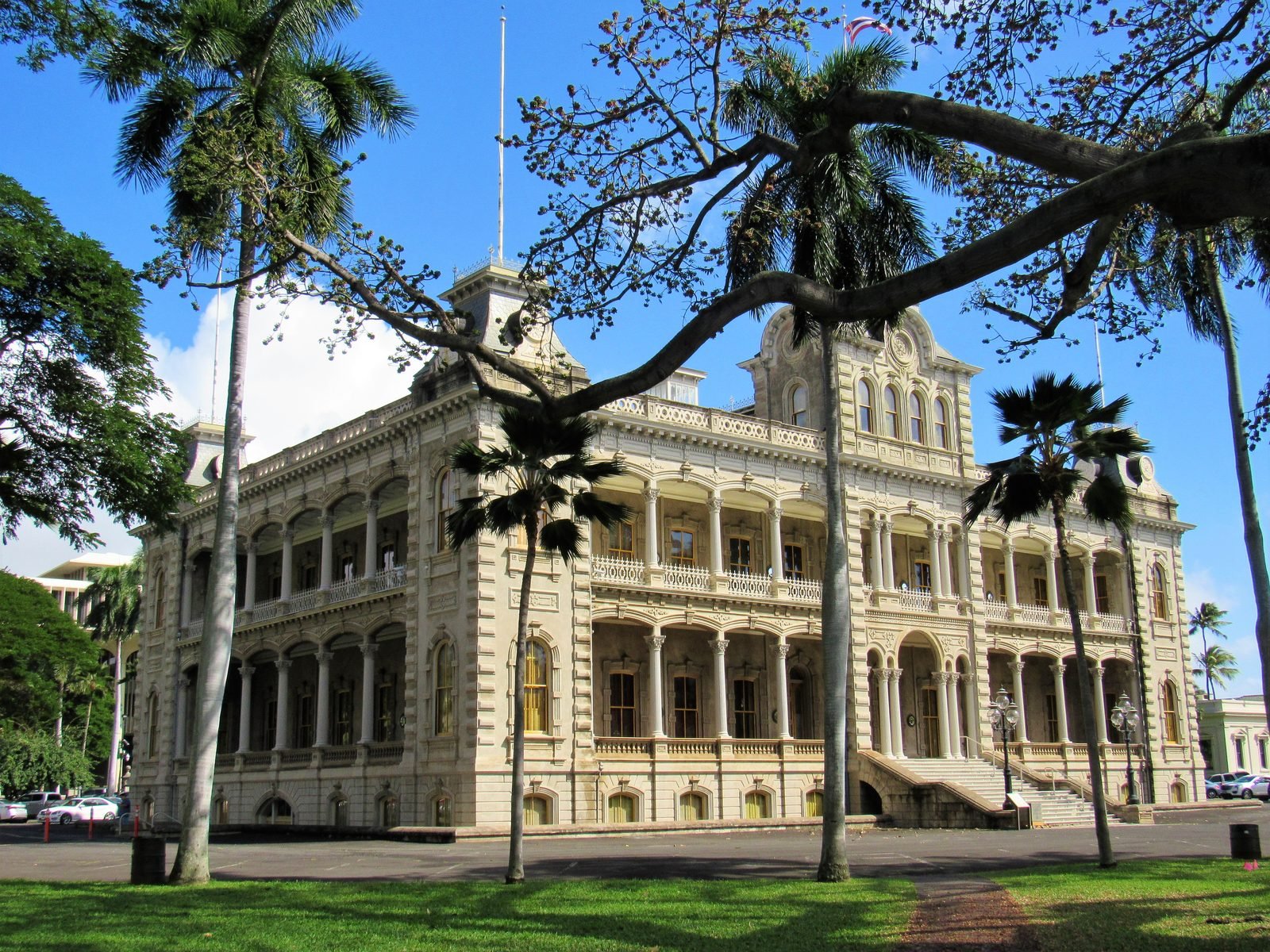
Overview: In downtown Honolulu stands the only official royal palace on U.S. soil — the 1882 residence of Hawaiʻi’s last monarchs, including Queen Liliʻuokalani. It’s the essential stop for understanding that Hawaiʻi was a sovereign kingdom, not just a beach destination.
What to Do: Tour the Throne Room, Grand Hall, and private royal suites; visit the basement galleries; walk the grounds to see the Coronation Pavilion and the royal tomb area.
Why It Stands Out: The palace had electric lighting and telephones before the White House did — the “modern monarchy” story reframes everything you thought you knew about Hawaiʻi.
Visitor Information: Open Tuesday–Saturday, 9 AM–4 PM; closed Sunday and Monday. At time of research: self-guided audio tours from about $28/adult, docent-led tours from about $34/adult (docent tours run Wednesday–Thursday mornings only; audio tours Tuesday–Saturday), with resident, military, and youth discounts; kids 4 and under free. Buy tickets online in advance — same-day availability isn’t guaranteed. Visitors wear protective booties over shoes inside.
Best Time to Visit: First tour of the day; combine with nearby downtown sights.
Highlights:
– The Throne Room and the koa-wood Grand Staircase
– The Imprisonment Room, where the queen was held after the overthrow
– Knowledgeable docents — book the guided tour if your schedule allows
Pro Tips:
– No large bags, tripods, or selfie sticks inside; photography without flash is allowed.
– Pair it with the Hawaiʻi State Art Museum or a walk through the Capitol District.
Best For: History lovers, culture seekers, rainy-day backup. Vibe: Regal, poignant, illuminating.
6. Explore the Bishop Museum
Overview: Founded in 1889, the Bernice Pauahi Bishop Museum holds the world’s largest collection of Hawaiian and Pacific cultural artifacts — feather work, royal regalia, voyaging canoes — plus a planetarium and a science adventure center. It’s the deep-dive complement to ʻIolani Palace.
What to Do: Walk Hawaiian Hall’s three floors of cultural history, see the planetarium show, and visit the Richard T. Mamiya Science Adventure Center.
Why It Stands Out: No other museum explains how Hawaiʻi became Hawaiʻi — the voyaging, the kingdom era, the plantation years — with this depth.
Visitor Information: In Kalihi, a short drive from downtown. At time of research: general admission about $38.95/adult, $30.95 youth (4–17), $35.95 seniors 65+, under 4 free (kamaʻāina and military discounts available). Open daily 9 AM–5 PM, last check-in 4 PM; timed admission, book online.
Best Time to Visit: Weekday mornings, when school groups are fewer.
Highlights:
– Hawaiian Hall’s koa-wood interior and royal artifact collection
– The planetarium’s Hawaiian-navigation show
– Strong kids’ programming in the science center
Best For: Families, culture seekers, rainy days. Vibe: Grand, scholarly, immersive.
7. Stroll the Honolulu Museum of Art
Overview: One of the finest art museums in the Pacific, with a renowned Asian art collection, strong Hawaiian modernism holdings, and a famously beautiful open-air courtyard café. It’s a calm counterpoint to beach days.
What to Do: Tour the Asian and Pacific galleries, have lunch in the courtyard, and check the Doris Duke Theatre schedule for films and concerts.
Why It Stands Out: The collection punches far above what you’d expect from a city this size, and the building itself — courtyards, lava-rock walls — is part of the experience.
Visitor Information: Downtown-adjacent (Beretania Street). At time of research: adults $25, kamaʻāina $15, 18 and under free. Open Wed/Thu/Sat/Sun 10 AM–6 PM, Friday 10 AM–9 PM; closed Mon–Tue and major holidays.
Best For: Art lovers, couples, rainy days. Vibe: Serene, elegant, contemplative.
8. Walk Foster Botanical Garden
Overview: A 14-acre tropical garden in downtown Honolulu, home to exceptional palm, orchid, and prehistoric-plant collections — including some of the oldest trees planted in the islands.
What to Do: Follow the self-guided paths through the palm collection and orchid conservatory; look for the massive Exceptional Trees.
Why It Stands Out: It’s a genuine botanical treasure hiding in plain sight downtown — quiet, shady, and inexpensive.
Visitor Information: Near Chinatown. At time of research: about $5/non-resident adult, $3 kamaʻāina, $1 kids 6–12, young kids free. Open daily 9 AM–4 PM; closed Christmas Day and New Year’s Day. Free parking.
Best For: Garden lovers, photographers, quiet mornings. Vibe: Lush, peaceful, old-Hawaiʻi.
9. Pay Respects at the National Memorial Cemetery of the Pacific
Overview: Set in the Punchbowl Crater above downtown, this is the Arlington of the Pacific — over 60,000 veterans and family members interred in a volcanic crater, with the sweeping Honolulu Memorial staircase and sweeping city views.
What to Do: Walk the memorial staircase with its mosaic maps of Pacific campaigns, visit the Courts of the Missing, and take in the view from the crater rim.
Why It Stands Out: The setting is extraordinary — a place of remembrance inside a volcanic crater — and the views over the city and Diamond Head are among Honolulu’s best free ones.
Visitor Information: Free; open daily 8 AM–6 PM (at time of research). Maintain respectful quiet.
Best For: History lovers, veterans’ families, photographers. Vibe: Solemn, panoramic, dignified.
10. Eat Through Chinatown Honolulu
Overview: Honolulu’s Chinatown is the city’s oldest neighborhood and its most exciting food district — Chinese, Vietnamese, Filipino, and Hawaiian plate-lunch counters packed into a few walkable blocks, plus lei shops, temples, and the historic Hawaiʻi Theatre.
What to Do: Graze through lunch counters and bakeries, browse the produce and lei vendors on Maunakea Street, and look for evening art walks and performances at the Hawaiʻi Theatre.
Why It Stands Out: This is where Honolulu’s multicultural food culture actually lives — not the hotel-row version.
Visitor Information: Free to explore; go hungry. Daytime is best for markets; evenings bring the dining and arts scene. Street parking is tight — consider the municipal garage.
Pro Tips:
– Weekday lunch is peak energy for the food counters.
– The neighborhood edges can feel rough after dark; stick to the main blocks at night.
Best For: Food lovers, culture seekers, budget travelers. Vibe: Bustling, flavorful, authentic.
11. Unwind at Ala Moana Beach Park & Magic Island
Overview: The locals’ answer to Waikiki: a long, calm, man-made lagoon beach in a big oceanfront park, minutes west of the hotel zone — with shade trees, picnic tables, and Diamond Head views at sunset.
What to Do: Swim in the protected lagoon, jog the beachfront path, picnic under the ironwoods, and watch the sunset from Magic Island’s point.
Why It Stands Out: Calmer, roomier, and more local than Waikiki, with arguably the better sunset.
Visitor Information: Free; ample parking by Honolulu standards, though weekends fill up.
Best For: Families, sunset watchers, anyone wanting a local-feel beach day. Vibe: Relaxed, local, easy.
12. Catch Sunset at Tantalus Lookout (Puʻu ʻUalakaʻa State Wayside)
Overview: A winding drive up Round Top Drive leads to this forested overlook with the classic postcard view: Diamond Head, Waikiki, and the Honolulu skyline spread below.
What to Do: Drive up for sunset, walk the short forest trails, and photograph the city lights coming on.
Why It Stands Out: It’s the best free viewpoint in the city, and most Waikiki visitors never hear about it.
Visitor Information: Free; the road is narrow and winding — drive carefully, especially after rain.
Best For: Photographers, couples, sunset chasers. Vibe: Romantic, quiet, panoramic.
13. Hike Mānoa Falls Trail
Overview: A 1.6-mile round-trip rainforest hike ending at a 150-foot waterfall, minutes from Waikiki in the Mānoa Valley. Lush, muddy, and Jurassic-Park atmospheric — it’s appeared in film and TV for a reason.
What to Do: Hike through bamboo and banyan forest to the falls viewpoint, then stop at the valley’s little shops on the way back.
Why It Stands Out: The fastest way from city to rainforest anywhere in Honolulu.
Visitor Information: Free trail access; the trailhead parking area charges a small fee and fills early. The trail is often muddy — wear shoes you don’t mind ruining.
Pro Tips:
– Go early and on a dry-ish morning; after heavy rain the trail gets slick and the falls brown.
– Mosquito repellent is non-negotiable.
Best For: Hikers, nature lovers, families with older kids. Vibe: Lush, misty, adventurous.
14. Wander Lyon Arboretum
Overview: A 200-acre tropical rainforest garden in upper Mānoa Valley, run by the University of Hawaiʻi — 5,000+ tropical plant species along trails that feel a world away from the city.
What to Do: Walk the main trail to Inspiration Point, explore the themed gardens, and birdwatch in the quiet upper sections.
Why It Stands Out: Deeper and wilder than Foster Garden — a real rainforest immersion, not a city park.
Visitor Information: In upper Mānoa Valley; check current visit requirements before going, as the arboretum has used reservation systems in recent years.
Best For: Plant lovers, hikers, solitude seekers. Vibe: Wild, green, tranquil.
15. Take a Sunset Catamaran Sail from Waikiki
Overview: The classic Honolulu evening: a two-hour sail along the Waikiki coast as the sun drops behind the Waiʻanae Range, Diamond Head glowing on the return leg.
What to Do: Book a sunset sail (many include drinks), sit on the nets up front, and watch the city light up.
Why It Stands Out: It’s the single most romantic hour in Honolulu, and the view of Waikiki from the water reframes the whole city.
Visitor Information: Multiple operators depart from Waikiki Beach and Kewalo Basin; book a day or two ahead in high season. Bring a light layer — it’s breezy offshore.
Best For: Couples, first-timers, celebrations. Vibe: Romantic, breezy, golden.
16. Tour the Battleship Missouri Memorial
Overview: Moored on Ford Island, the “Mighty Mo” is where World War II formally ended — the Japanese surrender was signed on her deck on September 2, 1945. She also served in Korea, the Gulf War, and Desert Storm.
What to Do: Walk the surrender deck, tour below decks on a guided route, and stand at the exact spot where the Instrument of Surrender was signed.
Why It Stands Out: Bookending the Arizona — the war’s beginning and end — in one harbor visit is one of the great American history experiences.
Visitor Information: Ticketed separately from the NPS memorial; access is via shuttle from the Pearl Harbor area. At time of research: about $39.99/adult (13+), $19.99/child 4–12, 3 and under free; includes a 35-minute guided tour option. Open daily 8 AM–4 PM — confirm current pricing at ussmissouri.org before visiting, as rates have moved recently.
Best For: History buffs, military families. Vibe: Imposing, historic, humbling.
Oʻahu Day Trips from Honolulu
The following are outside Honolulu proper but squarely within the “best things to do in Oʻahu” intent behind this guide. Each is a half- to full-day trip.
17. Kualoa Ranch (Kāneʻohe)
Overview: The 4,000-acre private nature reserve on the windward coast is Hollywood’s favorite Hawaiʻi backdrop — Jurassic Valley, where Jurassic Park, Kong, and dozens of other productions filmed. The ranch runs ATV rides, horseback tours, ziplines, and a film-sites tour through the valley.
What to Do: Take the Hollywood movie-sites tour into Kaʻaʻawa Valley, or choose ATV, horseback, or zipline adventures; the ranch also offers ocean and farm tours.
Why It Stands Out: The valley scenery is staggering even if you’ve never seen a dinosaur movie — 2,000-foot green cliffs closing around you on three sides.
Visitor Information: About 45 minutes from Waikiki by car. All activities are ticketed and book out days ahead — reserve before your trip. Pricing varies by activity; check current rates.
Best For: Families, film fans, adventure seekers. Vibe: Epic, adventurous, cinematic.
18. North Shore: Waimea Bay & Banzai Pipeline
Overview: Oʻahu’s legendary North Shore is the surf capital of the world. In winter (November–February), Waimea Bay and the Banzai Pipeline produce 30-foot-plus waves; in summer, the same spots turn glassy and swimmable.
What to Do: In winter, watch the surf from shore (the Vans Triple Crown events run here); in summer, swim and snorkel at Waimea Bay and Shark’s Cove. Walk the Ehukai Beach boardwalk to the Pipeline viewing area.
Why It Stands Out: Nowhere else on earth concentrates this much surf history in a seven-mile stretch.
Visitor Information: About an hour from Waikiki. Winter surf is extremely dangerous for swimmers — watch from the sand. Haleiwa town makes a good lunch stop.
Best For: Surf fans, photographers, road-trippers. Vibe: Legendary, laid-back, powerful.
19. Snorkel Shark’s Cove
Overview: On the North Shore near Waimea Bay, this rocky cove is Oʻahu’s best summer shore snorkeling outside Hanauma — lava-rock formations, caves, and abundant reef fish in clear water.
What to Do: Snorkel the protected cove (summer only for safe conditions), explore the tide pools at low tide.
Why It Stands Out: Wilder and less managed than Hanauma — no reservations, no fees, just a superb natural aquarium.
Visitor Information: Free. Only snorkel here in calm summer conditions; winter surf makes it dangerous. Parking is along the road and fills fast.
Best For: Confident snorkelers, adventure travelers. Vibe: Wild, rugged, spectacular.
20. Spot Turtles at Laniakea Beach (Turtle Beach)
Overview: This North Shore beach is famous for the Hawaiian green sea turtles (honu) that haul out to bask on the sand most afternoons.
What to Do: Watch turtles from the marked viewing distance, swim in the calm summer water.
Why It Stands Out: Reliable turtle sightings with zero effort — but the rules matter.
Visitor Information: Free. Federal and state law protect sea turtles — stay at least 10 feet away and never touch them. Volunteers often staff the beach to guide viewing.
Best For: Wildlife lovers, families. Vibe: Magical, respectful, natural.
21. Relax at Lanikai Beach (Kailua)
Overview: Consistently ranked among the world’s best beaches: powdery white sand, turquoise water, and the twin Mokulua Islands offshore. It’s in Kailua, on the windward side, about 30–40 minutes from Waikiki.
What to Do: Swim, kayak to the Mokulua Islands (guided tours recommended — land only on Moku Nui, the northern islet), and walk the Lanikai Pillbox hike at sunrise for the classic view.
Why It Stands Out: The prettiest water on Oʻahu, full stop.
Visitor Information: Free; no facilities, no lifeguards on parts of the beach. Street parking only, and it’s fiercely limited — arrive before 9 AM or come by bike from Kailua town.
Pro Tips:
– There are no restrooms or showers — plan accordingly.
– Combine with breakfast in Kailua town, Oʻahu’s best brunch scene.
Best For: Beach purists, kayakers, sunrise hikers. Vibe: Pristine, peaceful, postcard-perfect.
22. Hike Makapuʻu Point Lighthouse Trail
Overview: A paved, 2-mile round-trip ridge trail on Oʻahu’s southeastern tip leading to views of the historic 1909 Makapuʻu Lighthouse, the windward coast, and — in season — breaching humpback whales offshore.
What to Do: Walk the paved trail to the overlooks, whale-watch from December through April, and look for the blowhole views along the cliffs.
Why It Stands Out: Whale watching from a free, easy, paved trail with lighthouse views is a rare combination.
Visitor Information: Free; trailhead parking at Kaiwi State Scenic Shoreline. Paved but exposed — bring sun protection.
Best For: Whale watchers (winter/spring), families, easy-hike fans. Vibe: Breezy, scenic, uplifting.
23. Visit Byodo-In Temple (Kāneʻohe)
Overview: A stunning replica of a 950-year-old Japanese temple, set against the Koʻolau Mountains in the Valley of the Temples. Ring the three-ton brass peace bell, feed the koi, and walk the meditation gardens.
What to Do: Ring the bon-sho bell, visit the 9-foot Lotus Buddha inside the main hall, and stroll the grounds with the mountain backdrop.
Why It Stands Out: One of the most photogenic spots on Oʻahu — and a genuinely peaceful one.
Visitor Information: Small admission fee; confirm current hours. Remove shoes before entering the temple hall.
Best For: Photographers, culture lovers, quiet seekers. Vibe: Serene, beautiful, contemplative.
24. Experience the Polynesian Cultural Center (Lāʻie)
Overview: On the North Shore, this is Hawaiʻi’s largest celebration of Polynesian cultures — daytime village exhibits from six island nations, canoe rides, and the famous evening Hā: Breath of Life show.
What to Do: Spend the afternoon in the island villages (Samoa, Fiji, Tonga, Tahiti, Aotearoa, Hawaiʻi), then stay for the luau and evening show.
Why It Stands Out: It’s the most comprehensive Polynesian cultural experience in Hawaiʻi — equal parts educational and entertaining.
Visitor Information: Ticketed, with packages ranging from daytime-only to full luau-and-show evenings. It’s a full-day commitment — plan 6+ hours.
Best For: Families, culture seekers, first-time visitors wanting the full luau experience. Vibe: Festive, educational, immersive.
25. Climb Koko Crater Railway Trail
Overview: 1,048 railroad ties climb straight up the side of Koko Crater — a brutal, beloved stair workout with panoramic views over Hanauma Bay, Hawaiʻi Kai, and the east Honolulu coastline at the top.
What to Do: Climb the stairs (allow 1–2 hours round trip), rest at the old military pillbox summit, and photograph the crater and coastline.
Why It Stands Out: It’s Honolulu’s hardest short hike and its most satisfying — the view-to-effort ratio is off the charts.
Visitor Information: Free; trailhead at Koko Head District Park. Start early — there’s no shade. The “stairs” are uneven; watch your footing.
Pro Tips:
– This is significantly harder than Diamond Head. If Diamond Head winded you, think twice.
– Bring more water than you think you need.
Best For: Fitness travelers, sunrise hikers, view chasers. Vibe: Grueling, rewarding, hardcore.
Best Beaches in Honolulu & Oʻahu — Compared
| Beach | Best For | Water | Crowds | Cost |
|---|---|---|---|---|
| Waikiki Beach | First-timers, surf lessons | Calm, protected | Busy | Free |
| Lanikai Beach | Scenery, kayaking | Calm, turquoise | Moderate | Free |
| Hanauma Bay | Snorkeling | Calm, reef-rich | Busy (capped) | $25 + reservation |
| Ala Moana Beach Park | Local vibe, sunsets | Calm lagoon | Moderate | Free |
| Waimea Bay | Surf watching (winter), swimming (summer) | Seasonal — dangerous in winter | Moderate | Free |
| Shark’s Cove | Summer snorkeling | Calm in summer only | Moderate | Free |
Best Free Things to Do in Honolulu
Waikiki Beach, Ala Moana Beach Park, the Tantalus Lookout, Punchbowl’s memorial grounds, Chinatown wandering, the Makapuʻu Point trail, Koko Crater stairs, and the USS Arizona Memorial program (free with a $1 reservation fee) all cost nothing — a full week of highlights without opening your wallet beyond parking and food.
Practical Travel Tips for Honolulu
Best time to visit. April–May and September–October offer the sweet spot: warm water, thinner crowds, lower prices. December–March brings whale season and the North Shore’s giant surf (spectacular to watch, dangerous to swim). Summer is hottest and busiest. Honolulu’s weather is famously stable — highs around 80–85°F (27–29°C) year-round — but the windward side (Kailua, Kāneʻohe) gets noticeably more rain than Waikiki.
Reservations to book before you fly. Three Honolulu experiences require advance booking and routinely sell out: Diamond Head (up to 30 days ahead), Hanauma Bay (2 days ahead at 7:00 AM HST), and the USS Arizona Memorial program (via Recreation.gov). ʻIolani Palace tickets should also be bought online in advance. Build your itinerary around these dates first.
Getting around. Waikiki and downtown are walkable; TheBus covers the island cheaply but slowly. The Waikiki Trolley hop-on-hop-off lines serve Diamond Head, Ala Moana, and downtown sights. For North Shore, Kualoa, and windward beaches, rent a car for a day or two — but note Waikiki hotel parking runs $40+/night at many properties, so don’t keep a car for days you won’t use it.
Budget notes. Hawaiʻi’s Act 96 (effective January 2026) raised the state transient accommodations tax from 10.25% to 11% — a “green fee” funding wildfire prevention and reef/beach restoration. Total lodging tax runs about 18–19% once the county surcharge (~3%) and general excise tax (~4%) are added (roughly $3/night on a $400 room), so expect lodging to cost slightly more than older guides suggest. Food is the other budget shock — even casual meals run higher than the mainland. Grocery runs at Foodland or Safeway beat restaurant prices for breakfasts and snacks.
Reef and wildlife etiquette. Hawaiʻi bans sunscreens containing oxybenzone and octinoxate — bring mineral sunscreen. Never touch coral, and give sea turtles at least 10 feet of space (it’s the law). Heed “kapu” (forbidden) signs at sacred sites.
What to pack. Reef-safe sunscreen, water shoes for rocky entries (Shark’s Cove, Lanikai’s edges), a light rain layer for windward hikes, and mosquito repellent for Mānoa Valley.
Sample 3-Day Honolulu Itinerary
Day 1 — Icons: Sunrise hike up Diamond Head (book the first slot), late morning at Waikiki Beach, afternoon at ʻIolani Palace, sunset sail from Waikiki harbor.
Day 2 — History: Early USS Arizona Memorial program at Pearl Harbor, Battleship Missouri, lunch, then Chinatown food wandering and the Honolulu Museum of Art.
Day 3 — East Oʻahu: Hanauma Bay snorkeling (first reservation slot), Makapuʻu Point trail, Lanikai Beach afternoon, sunset at Tantalus Lookout.
Add a fourth day for the North Shore (Waimea Bay, Shark’s Cove, Haleiwa, turtles at Laniakea) or Kualoa Ranch.
Frequently Asked Questions
What is Honolulu best known for?
Honolulu is best known for Waikiki Beach, the Diamond Head crater hike, Pearl Harbor’s USS Arizona Memorial, and as the gateway to O’ahu’s North Shore surf and Hanauma Bay snorkeling. It’s also Hawaiʻi’s cultural center — home to ʻIolani Palace, the only royal palace on U.S. soil, and the Bishop Museum.
How many days do you need in Honolulu?
Three full days cover the essentials: Diamond Head, Waikiki, Pearl Harbor, ʻIolani Palace, and Hanauma Bay. Add a fourth day for the North Shore or Kualoa Ranch, and a fifth if you want a genuinely relaxed pace with beach time.
What is the best time of year to visit Honolulu?
April–May and September–October offer warm weather, fewer crowds, and better prices. December–March is whale season with dramatic North Shore surf, but it’s also peak season. Summer is hot and busy.
Do I need reservations for Diamond Head and Hanauma Bay?
Yes. Non-resident visitors must book Diamond Head in advance (up to 30 days out, $5/person entry) — without a reservation you’ll be turned away. Hanauma Bay reservations open just 2 days ahead at 7:00 AM HST and sell out within minutes ($25/person ages 13+). Book both before finalizing your itinerary.
Are there free things to do in Honolulu?
Plenty. Waikiki and Lanikai beaches, the Tantalus Lookout, Punchbowl memorial grounds, the Makapuʻu Point and Koko Crater trails, and the USS Arizona Memorial program (free; $1 booking fee) are all free. Budget a full week of highlights without paid attractions if you plan around them.
Is Honolulu good for families?
Yes — it’s one of the most family-friendly destinations in Hawaiʻi. Calm beaches (Waikiki, Ala Moana, Hanauma Bay), the Bishop Museum’s science center, Kualoa Ranch tours, and the Polynesian Cultural Center are all built for kids, and most major sights are stroller-accessible.
Final Thoughts: Why Honolulu Belongs on Your Travel List
Honolulu rewards the traveler who plans a little and wanders a lot. Book the three reservations that matter — Diamond Head, Hanauma Bay, the Arizona Memorial — then let the island fill in the rest: a crater sunrise, a palace that rewrites what you know about Hawaiʻi, turtles on a North Shore beach, and a sunset sail with Diamond Head on the horizon. Start with the icons, save a day for the island beyond the city, and you’ll leave understanding why so many visitors come back. Find more trip ideas in our latest guides collection.